
Daily consumption of tomatoes may help reduce hepatic steatosis in people with metabolic dysfunction-associated steatotic liver disease (MASLD), according to an exploratory randomized controlled trial published in Nutrients.
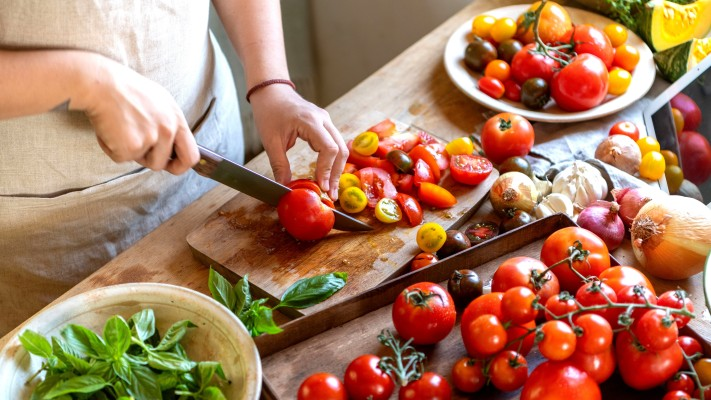
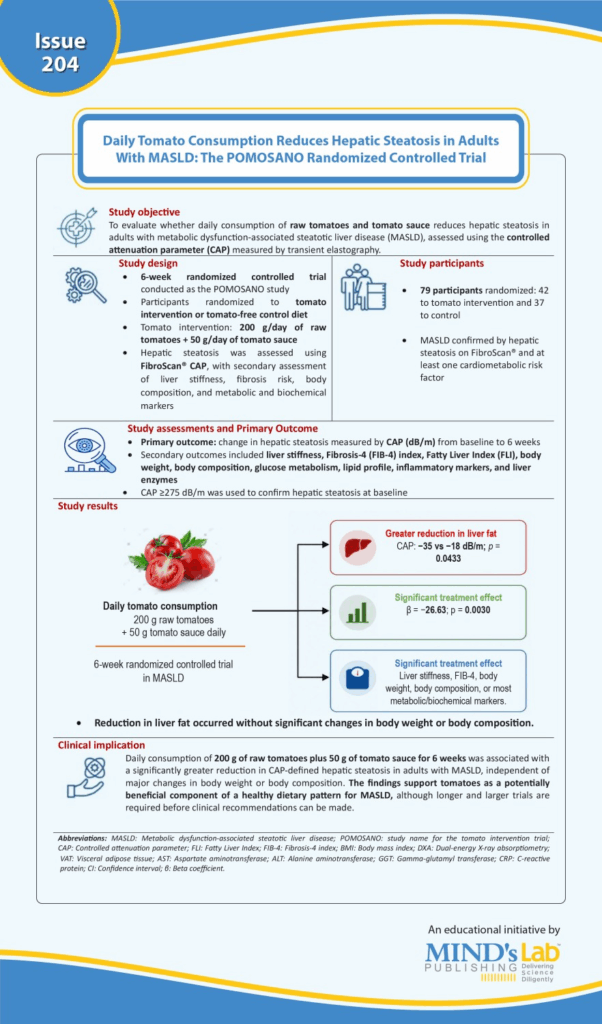
Researchers studied 79 adults with MASLD who were randomized to either a tomato-free control diet or an intervention diet providing 200 g/day of raw tomatoes and 50 g/day of tomato sauce for 6 weeks. Participants were otherwise asked to maintain their usual lifestyle.
After 6 weeks, hepatic steatosis decreased in both groups, but the reduction was significantly greater among participants consuming tomatoes daily. The improvement occurred without significant changes in body mass index, body composition, liver stiffness, liver enzymes, lipid profile, or other measured metabolic parameters.
The findings suggest that tomato consumption may reduce liver fat accumulation independently of major changes in body weight or abdominal adiposity. However, the study was short-term and exploratory, and it could not determine whether the benefit was due to raw tomatoes, tomato sauce, or components such as lycopene and carotenoids.
The study does have several limitations, including its modest sample size, short intervention duration, reliance on dietary counseling and self-reported adherence, and the absence of circulating lycopene or carotenoid measurements to confirm the proposed mechanism and larger, longer-term studies may be required to confirm the displayed benefits.
These findings suggest that tomatoes may be a useful component of a healthy dietary pattern for people with MASLD, however, tomato consumption should not be considered a standalone treatment. Sustained weight loss and management of the underlying metabolic risk factors remain the interventions with the strongest evidence for improving liver health.
Source: Tatoli R, Donghia R, Carella N, Cerabino N, Di Chito M, Zappimbulso M, et al. Effect of Tomato Consumption on Liver Steatosis in MASLD: A Randomized Controlled Trial (POMOSANO Study). Nutrients. 2026 Jul 30;18(15):2476. doi: 10.3390/nu18152476.